
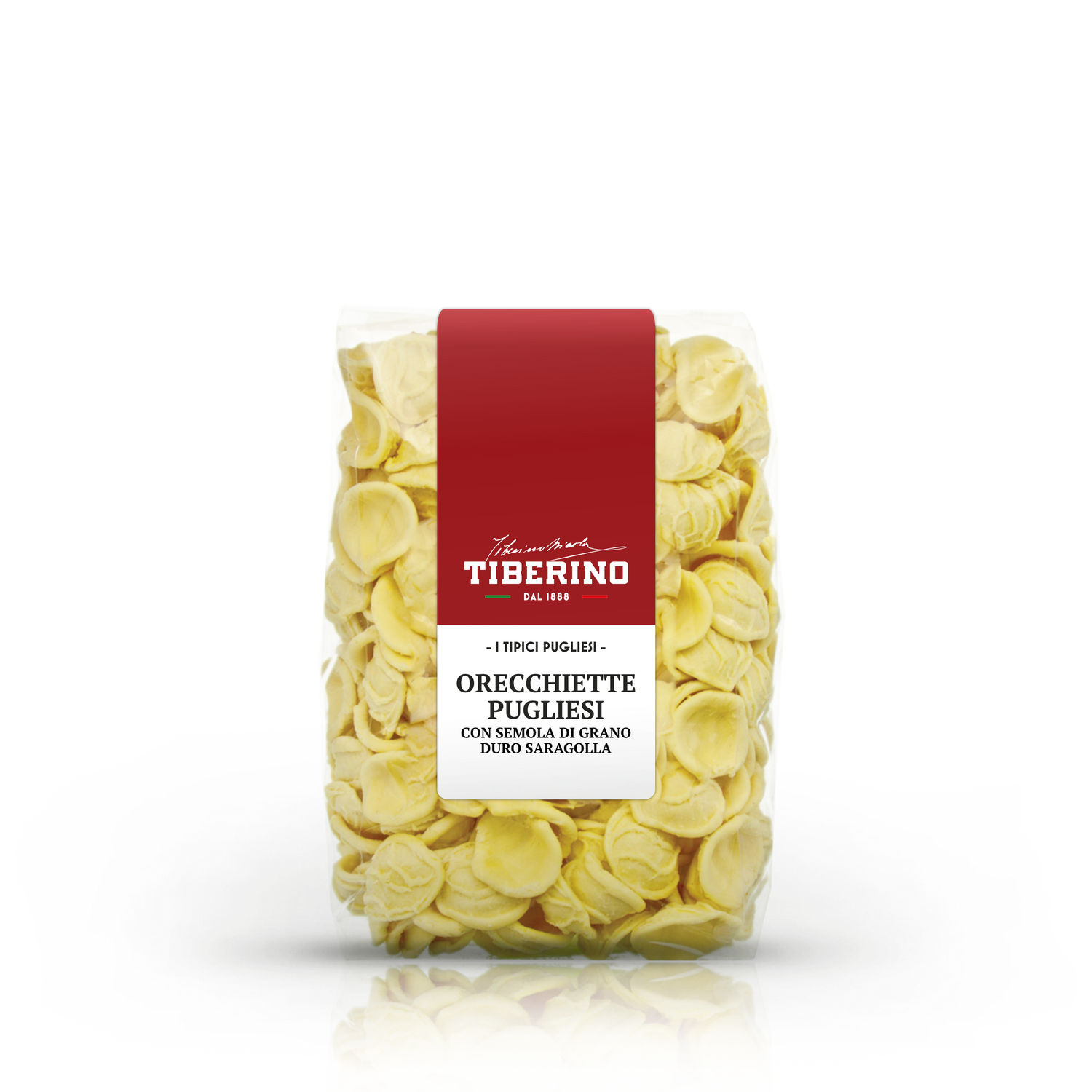
Orecchiette "Pugliesi" - Saragolla durum wheat semolina pasta
Couldn't load pickup availability
INGREDIENTS
NUTRITIONAL VALUES
|

Orecchiette "Pugliesi" - Saragolla durum wheat semolina pasta
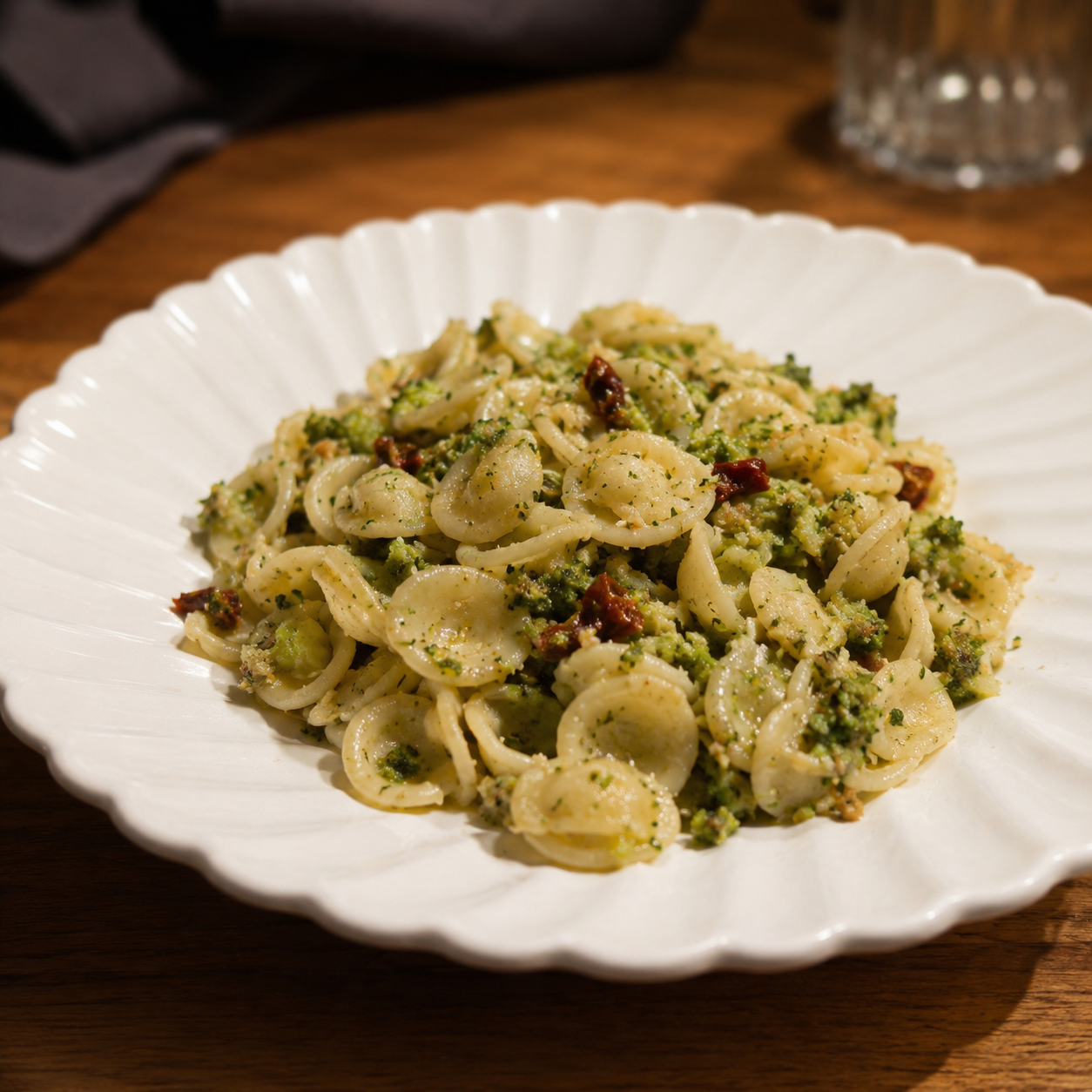
Saying “Orecchiette” means saying Puglia. The durum wheat semolina from the Capitanata area is used to make this typical pasta, which is handmade with the experience of the housewives and artisanal pasta factories. They are famous for both those cooked with turnip greens or cabbage and for those served with the classic ragù of horse-meat chops.
SUGGESTIONS: try the Orecchiette “Pugliesi” with all your favorite seasonings: they will not live up to your expectations! We recommend you to savor them with a delicious red sauce with meat (lamb or rolls) or with a traditional ragù.
INGREDIENTS: Italian Saragolla durum wheat semolina, water.
Saragolla wheat is an ancient variety of wheat, originating from the Marche region and particularly popular in central Italy. Its name is derived from the Marche dialect “saracolla,” meaning “small grain.” It is a hard, light-colored variety of wheat with a thin husk and a high protein content. It is a type of durum wheat that grows so well in clay soil conditions. Its distinctive texture and protein richness make it a suitable variety of wheat for making fresh pasta, bread and "focaccia" bread.

CREATE YOUR GOURMET BOX
With the Tiberino 1888 Gourmet Box, you can create your own selection by choosing 5 gourmet pasta and risotto dishes and completing it with an oil or a condiment.
Pair the flavors you love and create something that reflects your taste.