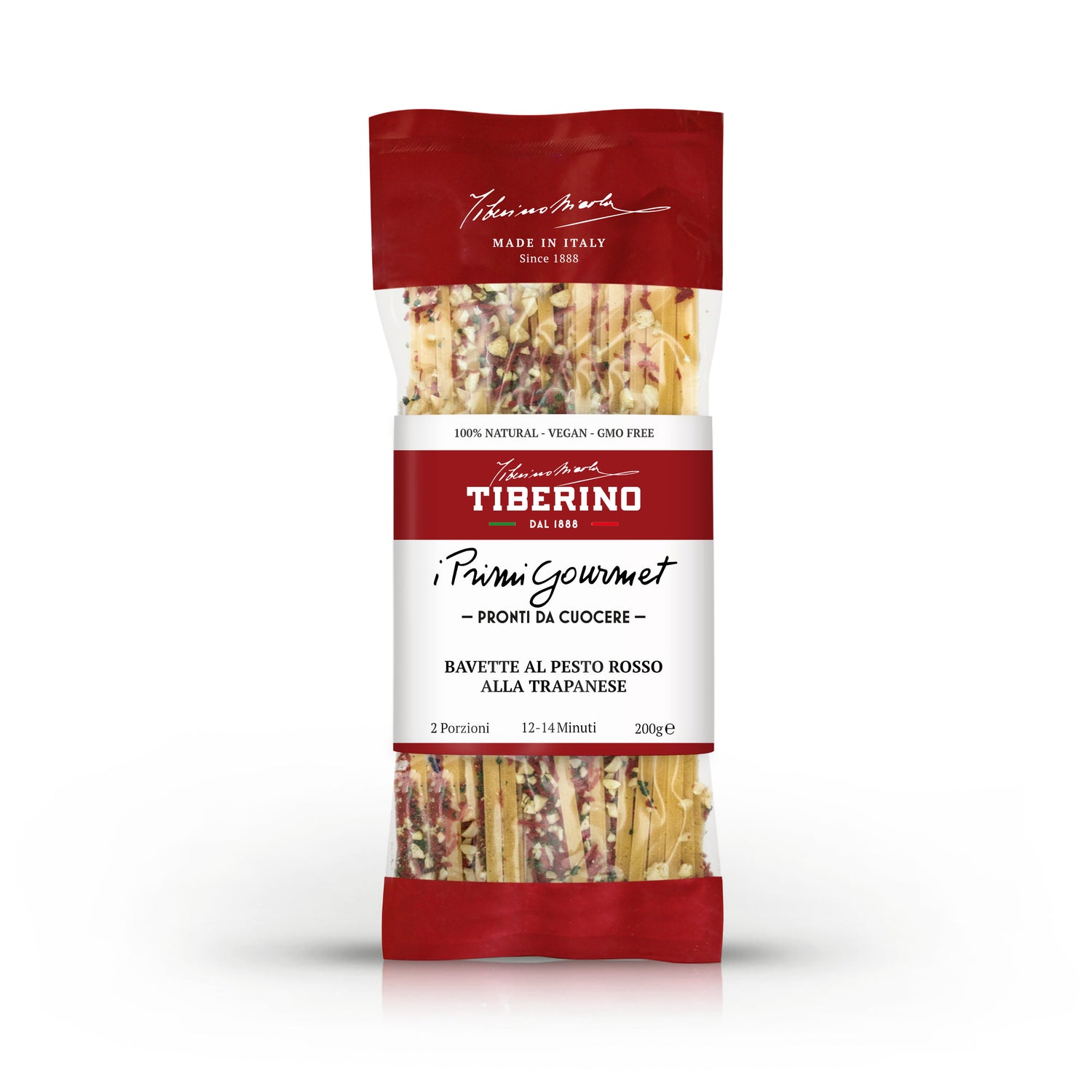
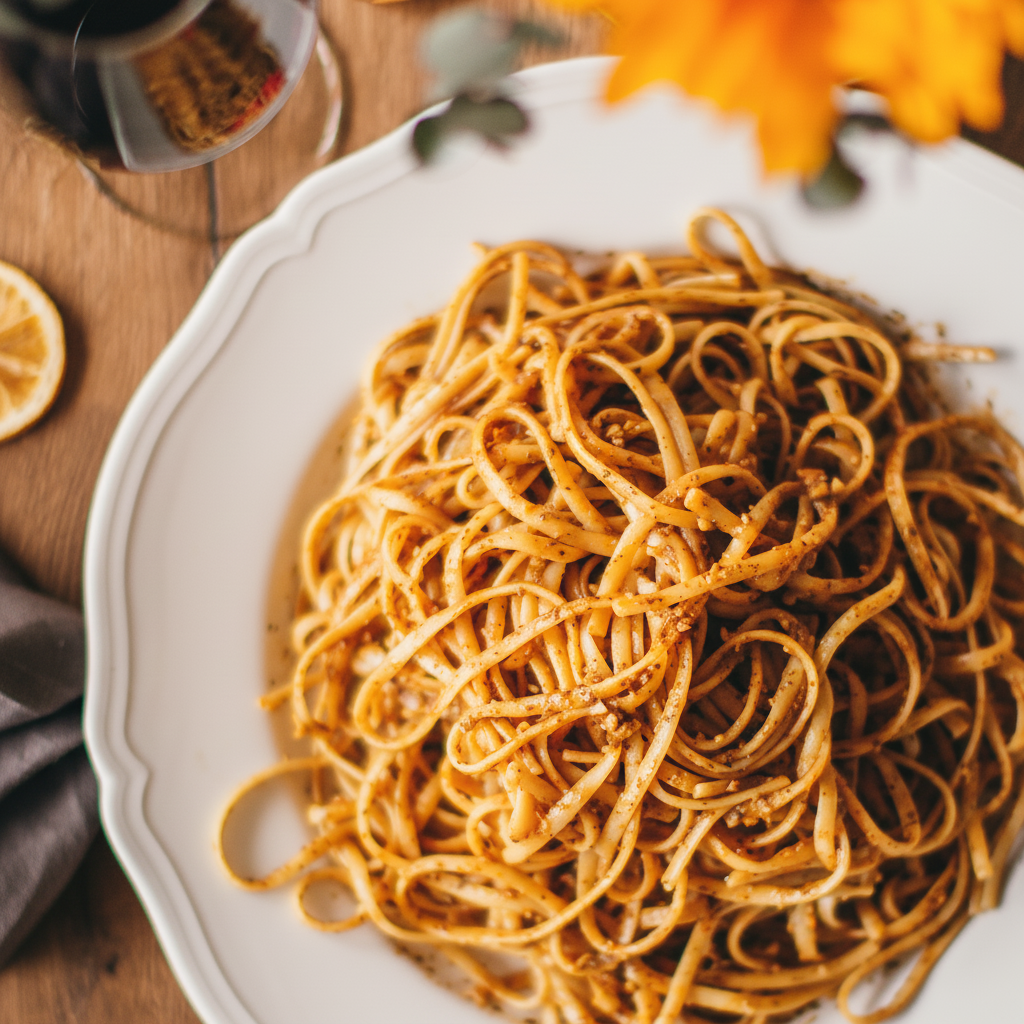
2 SERVINGS – A COMPLETE MEAL WITH PRE-PORTIONED INGREDIENTS. SHELF-STABLE AT ROOM TEMPERATURE.
Couldn't load pickup availability
DIRECTIONS
1) Bring 700 ml of water to a boil in a non-stick pan.
2) Pour the contents of the package, cover, and cook over medium-low heat for 10 minutes, stirring occasionally. Remove the lid and continue cooking for 2 minutes.
3) Serve with extra virgin olive oil.
INGREDIENTS
Pasta (durum wheat semolina, water) 83%, tomato 6.5%, almonds, salt, rice flour, basil, celery, onion, carrot, garlic, extra virgin olive oil. May contain traces of other cereals containing gluten, hazelnuts, soy, tuna, mustard, cuttlefish, eggs. Contains no added glutamate, chemicals, or animal derivatives.
NUTRITIONAL VALUES
Energy 1459 kJ / 344 kcal, Total Fat 3.6 g, of which Saturates 1 g, Carbohydrate 64 g, of which Sugars 5.6 g, Protein 13.1 g, Fiber 4.5 g, Salt 2.2 g|
Add 1/4 cup of white wine to the boiling water. Serve with extra virgin olive oil and grated cheese. Add a pinch of sugar.
COMPLETE IT WITH:
Trapanese‑Style Bavette with Tomato Pesto, Almonds and Basil
Regular price€4,59 EUR
Regular priceSale price€4,59 EUR
TO POUR
- Pour into boiling water -
COOK
- Cover and cook for the indicated time -
ENJOY!
- Plate and enjoy -
CREATE YOUR GOURMET BOX
Tiberino 1888 Gourmet Box: create your own selection by choosing 5 gourmet Italian dishes, then complete it with an olive oil or seasoning.
Perfect as a gift or for enjoying your favorite recipes.